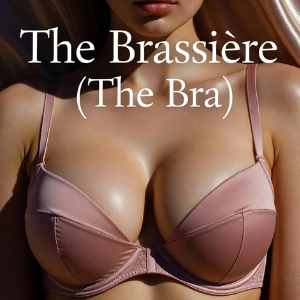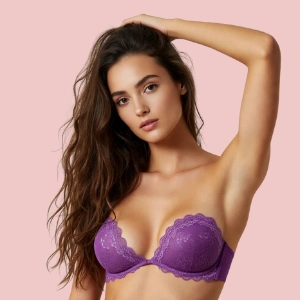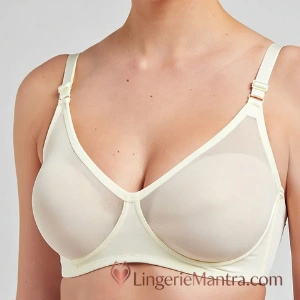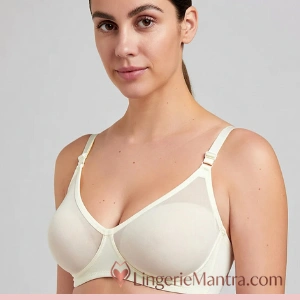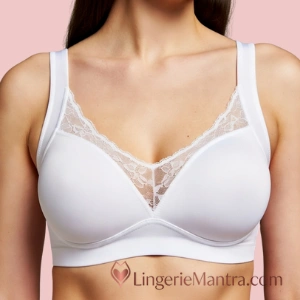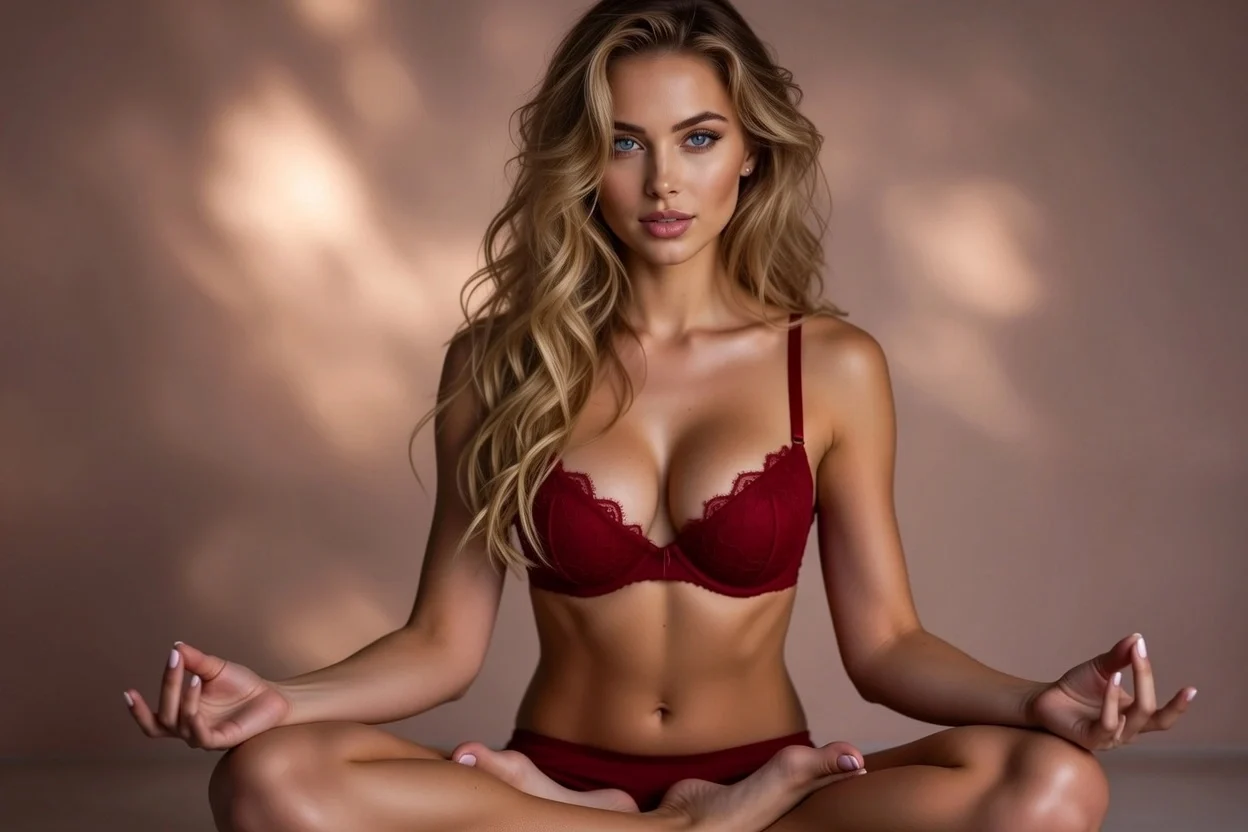
The Brassière (The Bra)
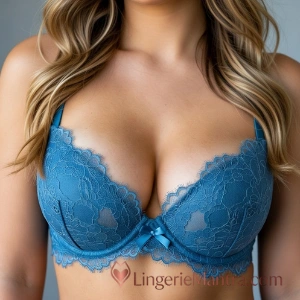
Bra
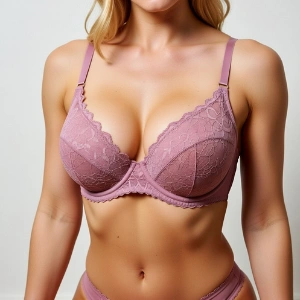
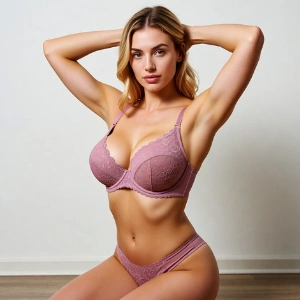
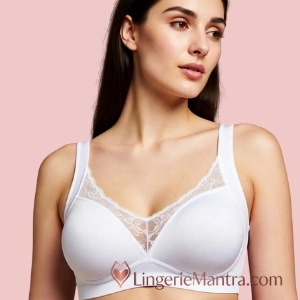
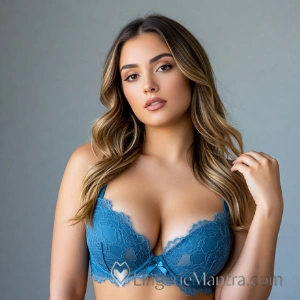
1. Etymology & History: The term originates from the Old French word braciere, meaning “arm protector.” The modern “bra” as we know it emerged in the early 20th century. Mary Phelps Jacob patented the first modern backless brassière in 1914 using two silk handkerchiefs and pink ribbon, effectively liberating women from the restrictive Victorian corset.
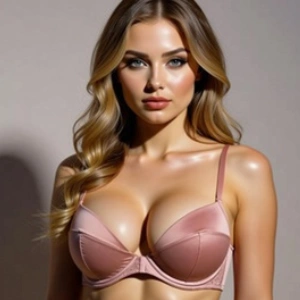
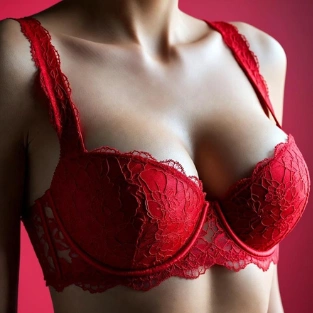
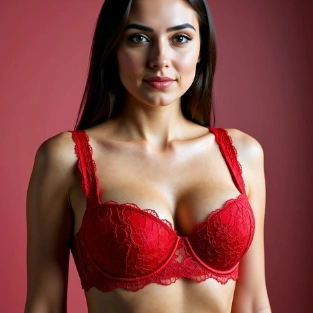
2. Detailed Description: A structured garment designed to support, lift, and contain the breasts. It typically consists of two cups, a center gore (bridge), a band, and shoulder straps. It utilizes a combination of “tension” from the band and “cradling” from the cups.
3. Best Suited For:
- Target: All women seeking support and silhouette shaping.
- Attire: Essential for professional wear, t-shirts, and structured dresses.
- Special Note: For the 38H woman, a full-coverage wired bra is the gold standard for gravity-defying support.
Victoria's Secret
Third Love
Maidenform
Panache
Elomi (Specialists in Larger Cup)
Wacoal
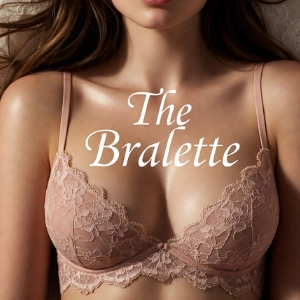
The Bralette
- Etymology & History: The name is a diminutive of “Bra.” Historically, it traces back to the “flapper” bandeaus of the 1920s. It saw a massive resurgence in the 2010s as a rejection of heavy padding and underwires in favor of “athleisure” and comfort.
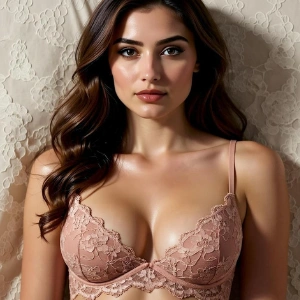
- Detailed Description: An unlined, usually wire-free, lightweight bra. It focuses on the natural shape of the breast rather than forced structure. Often made of lace, microfiber, or cotton with a decorative focus.
- Best Suited for:
- Target: Women seeking comfort, loungewear, or those with smaller to medium busts.
- Attire: Sheer tops, oversized sweaters, or loungewear.
Special Note: “Fuller Bust” bralettes are now engineered for sizes like 38H using reinforced “power mesh” linings
Item #1
Item #2
Item #3
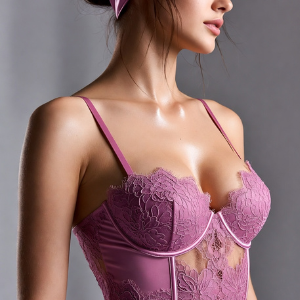
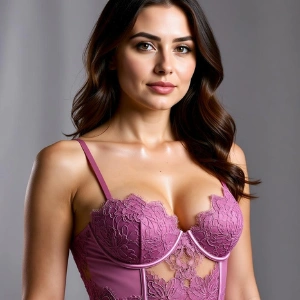
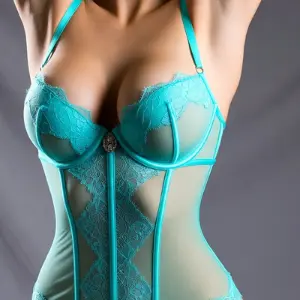
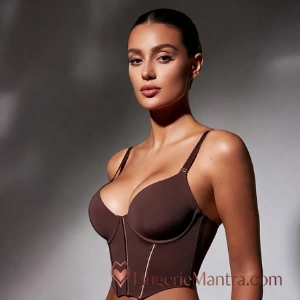
The Bustier
- Etymology & History: Derived from the French word buste (torso). Historically, the bustier was a shorter version of the 19th-century corset. It gained mainstream fashion status in the 1980s when icons like Madonna began wearing them as “underwear as outerwear.”
- Detailed Description: A form-fitting garment that extends from the bust to the waist or mid-hip. Unlike a corset (which reduces the waist), a bustier focuses on pushing the bust upward while smoothing the midsection. It usually features vertical boning and hook-and-eye closures.
- Best Suited For:
- Target: Women wanting a dramatic “va-va-voom” silhouette or strapless support.
Attire: Evening gowns, bridal wear, or styled as a top with a blazer
Item #1
Item #2
Item #3
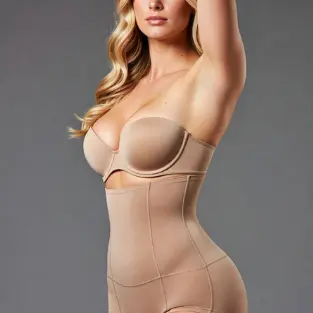
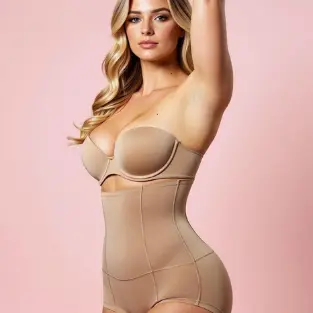
The Bodyshaper
Bodyshaper
- Etymology & History: Evolution of the “girdle” from the mid-20th century. The modern “Shapewear” revolution was ignited by Sara Blakely (founder of Spanx) in 2000, who cut the feet off her pantyhose to create a smooth line under white slacks.
- Detailed Description: Compression garments made from high-tech elastic fibers (Lycra/Spandex). They are engineered to compress specific areas (tummy, thighs, back) to create a seamless, “sculpted” appearance under clothing.
- Best Suited For:
- Target: Anyone seeking to eliminate “panty lines” or achieve a smooth silhouette under form-fitting clothes.
- Attire: Bodycon dresses, pencil skirts, and silk fabrics.
SPANX
SKIMS
Honeylove
Wolford
Triumph
The Camisole
The Camisole (Cami)
The Camisole (Cami)
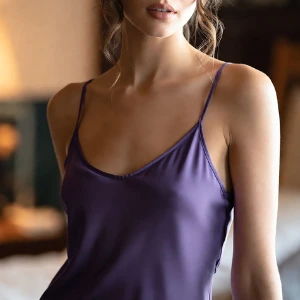
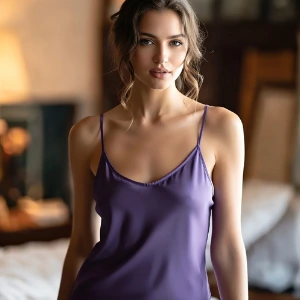
- Etymology & History: From the Latin camisia (shirt/tunic). Originally a waist-length undergarment worn over a corset to protect the outer dress from the corset’s hardware.
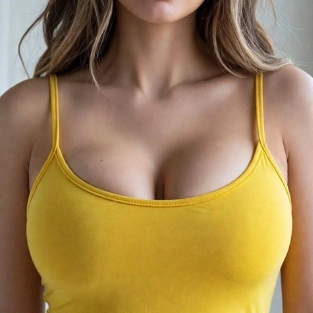
- Detailed Description: A sleeveless undergarment, typically held up by “spaghetti straps.” Modern camisoles often include “shelf bras” for light support and are made of silk, satin, or cotton.
- Best Suited For:
- Target: Women looking for an extra layer of modesty or lightweight sleepwear.
- Attire: Layered under sheer blouses or blazers.
Hanro
Uniqlo
Intimissimi
The Balconette
Balconette
- Etymology & History: The name comes from “balcony.” The design was popularized in the 1930s (and famously by Marilyn Monroe) because the low-cut cups allow a woman to look down and see her cleavage, much like looking over a balcony.
- Detailed Description: A bra style with cups cut straight across, offering a squared neckline. The straps are set wider apart than a standard bra, and the cups are designed to lift the tissue from the bottom.
- Best Suited For:
- Target: Women with “Full-on-Bottom” breast shapes or those wearing low-cut, square-neck tops.
- Attire: Square-neck dresses and “Milkmaid” style tops.
PrimaDonna
Freya
Aubade
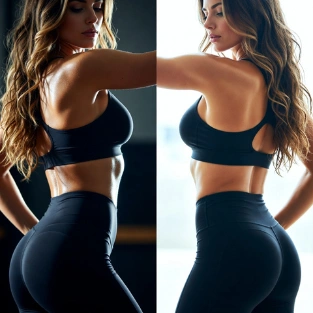
The Sports Bra
The Sports Bra
1.
Etymology & History: Originally called the “Jogbra,” it was invented in 1977 by
Lisa Lindahl and Polly Smith, who famously sewed two jockstraps together. It
revolutionized women’s participation in professional and recreational sports.
2.
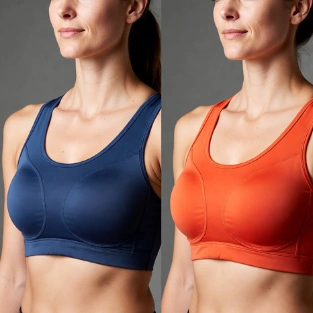
Detailed Description: A high-performance
garment designed to reduce breast movement during physical activity. There are
two primary types: Compression (pressing breasts against the chest) and Encapsulation
(individual cups, like a standard bra, but reinforced).
3. Best
Suited For:
- Target: High-impact athletes and
anyone seeking maximum stability.
- Attire: Gym wear, yoga outfits, and
high-intensity training gear.
- Scholar’s Note: For the 38H bust,
“Encapsulation” style sports bras are mandatory to prevent
ligament strain.
Moving Comfort (Brooks),
Nike
Under Armour
Lorem ipsum dolor sit amet, consectetur adipiscing elit. Ut elit tellus, luctus nec ullamcorper mattis, pulvinar dapibus leo.
Item #1
Item #2
Item #3
Shock Absorber
Panache Sport
Lorem ipsum dolor sit amet, consectetur adipiscing elit. Ut elit tellus, luctus nec ullamcorper mattis, pulvinar dapibus leo.
The Corselet
The Corselet
- Etymology & History: Derived from the diminutive of “Corset.” The “Merry Widow” term became famous after the 1905 operetta of the same name and the subsequent 1952 film, where the garment was used to create an exaggerated hourglass figure.
- Detailed Description: A one-piece garment that combines a bra and a girdle. It covers the torso from the bust down to the hips and usually features garters (suspender straps) to hold up stockings.
- Best Suited For:
- Target: Women seeking total torso smoothing and a vintage aesthetic.
- Attire: Vintage-style dresses, bridal gowns, or boudoir photography.
Rago Shapewear
What Katie Did
Wolford
La Perla
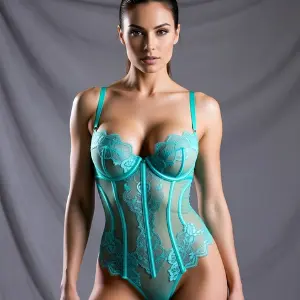
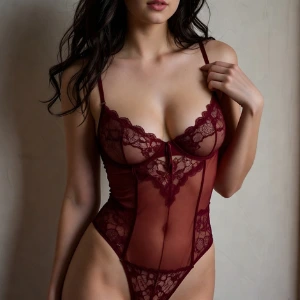
The Teddy (or Bodysuit)
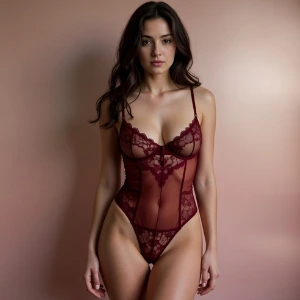
The Teddy
- Etymology & History: Named after the “Teddy Bear” because of its one-piece, cuddly nature when it first appeared in the 1920s. It evolved from the “step-in” chemise to become a staple of 1980s fashion.
- Detailed Description: A one-piece garment that combines a camisole or bra top with a panty bottom, connected at the crotch (usually with snaps). It can be sheer and lacy for sleepwear or sleek and opaque for daywear.
- Best Suited For:
- Target: Those seeking a “tucked-in” look without lines, or as provocative sleepwear.
- Attire: Worn under high-waisted trousers/jeans (for bodysuits) or as intimate apparel.
.
SKIMS
Victoria's Secret
Free People
Bluebella
Gooseberry Intimates
The Babydoll
The Babydoll Bra
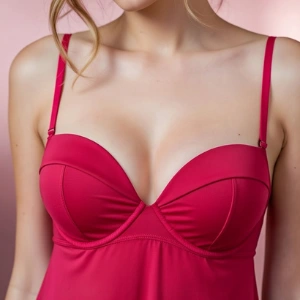
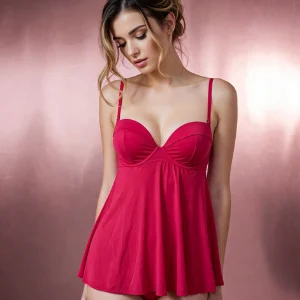
- Etymology & History: The name was popularized by the 1956 film Baby Doll, starring Carroll Baker. It was originally designed by Sylvia Pedlar during wartime fabric shortages as a shorter alternative to long nightgowns.
- Detailed Description: A short, loose-fitting nightgown or negligee. It usually features defined bra cups and a flared skirt that ends at the upper thigh. It often comes with a matching panty.
- Best Suited For:
- Target: Comfort-focused sleepwear with a playful, feminine aesthetic.
- Attire: Exclusive to the bedroom or lounging at home.
In Bloom by Jonquil
Flora Nikrooz
Agent Provocateur
Myla London
The Chemise
The Chemise
- Etymology & History: From the Old French chemise (shirt). Historically, this was the primary undergarment for centuries, worn closest to the skin to protect expensive outer clothing from body oils.
- Detailed Description: A straight-cut, sleeveless garment, usually made of silk, satin, or fine cotton. Unlike the Babydoll, it does not usually have structured cups and skims the body rather than flaring out.
- Best Suited For:
- Target: Women wanting a smooth layer under unlined dresses.
- Attire: Essential under sheer dresses or knits to prevent “clinging.”
Hanky Panky
Soma
Hanro
The Minimizer Bra
The Minimizer Bra
- Etymology & History: Engineered in the late 20th century specifically for the professional woman who wanted to reduce the “projection” of her bust to fit better into button-down shirts and tailored suits.
- Detailed Description: A bra designed to redistribute breast tissue toward the underarms and center, effectively reducing the circumference of the bust by 1 to 1.5 inches.
- Best Suited For:
- Target: Fuller-busted women (DD+) who experience “button gaping” on blouses.
Attire: Professional button-down shirts, blazers, and tight-fitting sweaters.
Bali
Lilyette by Maidenform
Triumph
Chantelle
The Adhesive Bra
The Adhesive Bra
- Etymology & History: A product of modern medical-grade silicone technology developed in the late 1990s and early 2000s to meet the demand for “invisible” support for backless red-carpet fashion.
- Detailed Description: Two individual cups with a medical-grade adhesive backing that sticks directly to the skin. They often clip together in the center to create cleavage.
- Best Suited For:
- Target: Women wearing backless or strapless garments.
- Attire: Backless evening gowns, halter tops, or wedding dresses.
- Note for 38H: These are generally not recommended for heavy busts as they lack a band for support, but “lifting tapes” are a modern alternative.
NuBra
Fashion Forms
Booby Tape
The Nursing Bra
The Nursing Bra
- Etymology & History: While women have nursed for millennia, the modern nursing bra with a “drop-cup” mechanism was perfected in the mid-20th century to allow for breastfeeding without removing the entire garment.
- Detailed Description: Designed with specialized clips or panels that allow the cup to be lowered. They are usually wireless (to prevent mastitis) and made of highly breathable, stretchy cotton to accommodate fluctuating breast sizes.
- Best Suited For:
- Target: Pregnant and breastfeeding mothers.
- Attire: Everyday maternity wear.
Kindred Bravely
Motherhood Maternity
Cake Maternity
Hotmilk
The Mastectomy Bra
The Mastectomy Bra
- Etymology & History: Developed to support women post-mastectomy or lumpectomy. This category has evolved from purely clinical designs to beautiful, lace-detailed pieces that restore confidence.
- Detailed Description: These bras feature internal “pockets” in the cups to hold breast prostheses or forms. They often have high necklines and wide bridges to hide surgical scars and provide extra comfort.
- Best Suited For:
- Target: Breast cancer survivors or those undergoing chest surgery.
- Attire: Any attire requiring a balanced silhouette.
Amoena
AnaOno
Anita
The Bandeau
The Bandeau
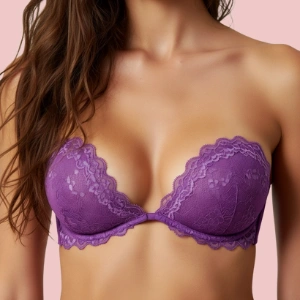
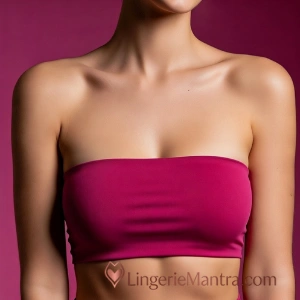
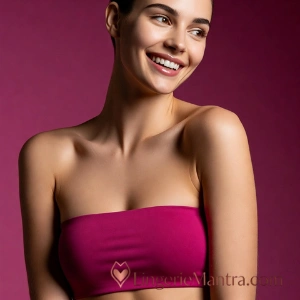
- Etymology & History: From the French bande, meaning “strip” or “band.” Historically seen in Ancient Greek “strophion” garments, it became a staple of 1920s “boyish” silhouettes and 1970s beach culture.
- Detailed Description: A simple, strapless strip of stretchy fabric that pulls over the head. It offers no “separation” (creating a “unibust” look) and provides minimal support.
- Best Suited For:
- Target: Smaller busts or as a decorative layer under low-cut armholes.
Attire: Halter tops, sundresses, or side-less tanks
Free People
Spanx
Eres
Tezenis
The Longline Bra
The Longline Bra
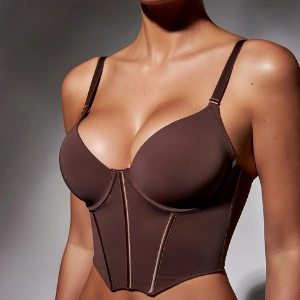
- Etymology & History: Popularized in the 1940s and 50s to create the “New Look” silhouette. The name refers to the “long line” it creates from the bust to the waist.
- Detailed Description: A bra where the band extends down toward the waist or hips, often featuring extra boning. It provides incredible stability and helps smooth the back and upper torso.
- Best Suited For:
- Target: Women needing extra support for heavy busts or those wanting a vintage look.
- Attire: Under strapless bridal gowns or as a “crop top” style piece of lingerie.
Goddess
Elila
Parfait
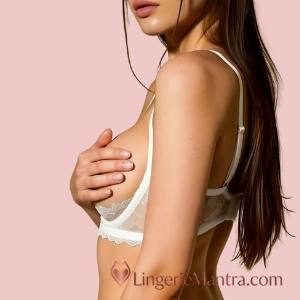
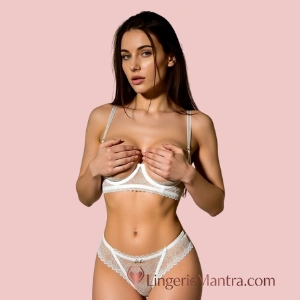
The Shelf Bra
The Shelf Bra
- Etymology & History: Derived from “boudoir” fashion. Originally designed for high-fashion runway aesthetics and intimate settings, it became a symbol of “erotic” lingerie in the late 20th century.
- Detailed Description: A bra that supports the breasts from underneath but does not cover the nipple or the top of the breast. It “shelves” the tissue upward. (Note: In athletic wear, a “shelf bra” refers to a simple built-in lining).
- Best Suited For:
- Target: Intimate settings or fashion-forward “peek-a-boo” styling.
- Attire: Boudoir wear.
Frederick's of Hollywood
Bordelle
Honey Birdette
The Demi-Cup
The Demi-cup
- Etymology & History: Demi is French for “half.” This style became popular in the 1950s with the rise of lower necklines in Hollywood fashion.
- Detailed Description: The cups are cut low, covering about 50% to 75% of the breast. The straps are usually set very wide. It pushes the tissue upward to create “shelf-like” cleavage.
- Best Suited For:
- Target: Women with “Full-on-Bottom” shapes or those wearing low-cut tops.
Attire: Scoop necklines and low-cut blouses.
ThirdLove
Victoria's Secret
Aubade
Agent Provocateur
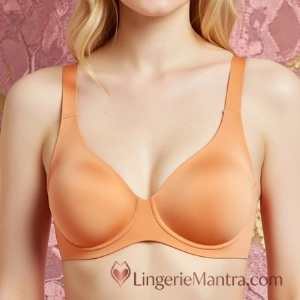
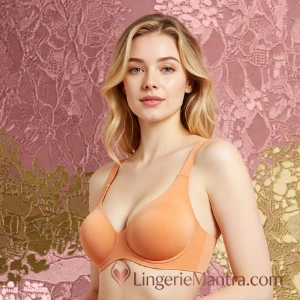
The T-Shirt Bra
The T-Shirt Bra
- Etymology & History: Invented to solve the problem of lace or seams showing through thin cotton T-shirts. It became the dominant bra style globally starting in the 1990s.
- Detailed Description: A seamless, molded-cup bra usually made of a thin layer of foam (spacer fabric). It is designed to be completely invisible under tight or thin clothing.
- Best Suited For:
- Target: Every woman seeking a “no-show” look.
- Attire: T-shirts, knits, and silk.
Warner's
ThirdLove
Fantasie
Calvin Klein
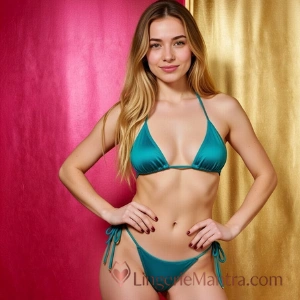
The Bikini (Bikini Top as Intimate Apparel)
The Bikini
- Etymology & History: The name “bikini” is derived from the Bikini Atoll, where nuclear tests were conducted in 1946, symbolizing the “explosive” impact of the garment on fashion. French engineer Louis Réard invented the modern two-piece bikini in 1946 as a daring post-war swimwear design, evolving from earlier swimsuits. It gained popularity in the 1960s with the sexual revolution and has since crossed into intimate apparel for lounging or athleisure.
- Detailed Description: A two-piece garment consisting of a bra-like top (often with minimal support, triangles, or bandeau style) and matching bottoms. The top provides light coverage and structure, typically with ties, straps, or halter designs, focusing on aesthetics rather than heavy support. Materials include lycra, nylon, or lace for comfort and style.
- Best Suited For:
- Target: Women seeking minimal coverage, comfort in warm weather, or those with smaller to medium busts; also for body-positive lounging.
- Attire: Swimwear, beach outfits, athleisure, or layered under sheer tops for a casual, seductive look.
- Special Note: For DD+ women, reinforced bikini tops with underwire or “power mesh” are available to provide better support without sacrificing style.